Skip to content

Planning a family reunion usually lands on one person. It might be the sibling who keeps the group text going or the cousin who loves a spreadsheet. Either way, that person soon juggles several households, three or four generations and relatives spread across more than one city, each with a different budget, schedule and idea of a good time.
The work gets lighter when the decisions arrive in the right order. The guest list comes before the budget, the budget before the venue and the venue before the invitations. This post follows that order. It starts with the purpose and the people who will help, lays out a month-by-month timeline from 12 months out to reunion week, and then covers the budget, date, location, travel, food and activities in the sequence you will need them. Each step names what to settle and what to check, so you can work through the list one section at a time and keep the whole family moving in the same direction.
Start With the Basics: Purpose, Planning Committee and Guest List
The first answer to how to plan a family reunion is to know why the family is gathering. A milestone birthday or anniversary calls for a different event than a first gathering after a loss, and both differ from a yearly get-together that keeps cousins in touch. The purpose sets the size and the length. A 90th birthday party might fill one afternoon. A tradition that has run for decades might fill a full weekend.
Next, build a small planning committee. One person from each branch of the family works well, because every household then has someone to call with questions. Split the work into areas: venue and lodging, food, activities, money and RSVPs, and travel. Each area gets one lead who reports back to the group, and no single person carries the whole event.
Pick one channel for updates and use it every time. A group text works for a small family, and a private Facebook group or a simple family website suits a larger one. Name a proxy for the relatives who are not online, such as a niece who will call Great-Aunt Ruth with every update and mail her the printed invitation.
Then decide who is invited. Some families gather immediate relatives only, and others welcome the full extended family with in-laws, second cousins and longtime family friends. Settle this before you set a budget or choose a venue, because the headcount drives both. A rough number is enough at this stage, and it will sharpen as RSVPs arrive.
Family Reunion Planning Timeline: What to Do and When
This family reunion planning checklist works as a calendar. Each window lists what to finish before moving on, and transportation sits in the schedule from the beginning.
- 12 to 9 months out: Form the committee, agree on the purpose and the guest list, and choose a rough date, a rough place and a rough size. Send a save-the-date so relatives can hold the weekend and request time off.
- 9 to 6 months out: Book the venue and the lodging, and collect deposits. Texas State Parks, for example, open most overnight camping and lodging reservations five months ahead, so popular dates go early. Ask for quotes on group transportation now, because spring and fall are the busiest seasons for charter buses.
- 6 to 3 months out: Send formal invitations that state the costs and an RSVP deadline. Plan the menu and the activities, and decide how people will travel to the venue and between the hotel and the gathering. Collect dietary and mobility needs with each RSVP.
- The final month: Confirm every booking, follow up on missing RSVPs, assign day-of jobs and finalize the agenda.
- Reunion week: Send arrival details to everyone, confirm pickup times with the transportation company, check the weather and make the supplies run.
A small gathering of immediate family in one town can compress this schedule into a few months. The order of the steps stays the same, and the deposits and invitations simply arrive closer together.
Set the Budget and Decide Who Pays
Build the budget before you book anything. List every cost the reunion will carry: lodging, venue rental, meals, activities, transportation, keepsakes such as t-shirts or printed photos, and a cushion of about ten percent for surprises. Transportation belongs on that list from the start. The Prices page shows estimated rates by vehicle, and a full-size coach is quoted by the hour with a five-hour minimum, so a bus shared by a whole family spreads that cost across many riders.
Families split costs in a few common ways. Each household can pay its own way, with every family covering its travel, lodging and meals. A host can cover most of the event, which suits a backyard gathering. Everyone can split the shared costs evenly. Or the committee can set a per-adult share with kids at a discount, which many families find the fairest for a mixed group.
Keep the core event affordable and offer the extras as paid add-ons. The pavilion, the main meals and the group photo can sit in the base price, while a boat outing, a paid attraction or a matching t-shirt can be optional. Relatives on tighter budgets can then join the main event and choose what else to buy.
Announce the cost structure with the invitation. When the price, the payment deadline and what it covers are all in writing, nobody is surprised at the door.
Many families also raise money for next year while this year's reunion is underway. Raffles, a silent auction of donated items and a t-shirt sale all work well, and they give the family another reason to look forward to the next gathering.
Choose the Date, Length and Location
Poll the family before you pick a date. A simple online poll with three or four weekends shows quickly which one works for the most households. Avoid graduations, weddings and major holidays, unless the reunion is meant to be a holiday gathering.
Summer is popular for good reasons. Kids are out of school, and teachers, who typically work a contracted 37 or 38 weeks a year, are free. Paid vacation is also available to 80% of private industry workers, so many relatives can take the time off. An off-season date such as early spring or late fall often brings lower lodging rates and milder weather in Texas.
Length comes next. A one-day reunion suits a local group. A long weekend, running from Friday evening to Sunday breakfast, gives out-of-town relatives enough time to make the trip worthwhile. A destination stay of several days works for families who gather rarely and want time to catch up.
Venue choices come with trade-offs. A relative's backyard costs the least and asks the host to carry the work. A park pavilion is affordable, and more than 60 Texas state parks rent picnic pavilions and group halls by the day. A rented hall gives you air conditioning and a kitchen. A retreat center or lodge keeps everyone in one place overnight. A destination adds adventure and adds travel.
Check the same things at any venue: room for everyone to eat together, shade and air-conditioned space for older relatives in hot months, accessible entrances and restrooms, parking close to the gathering spot, a bad-weather backup, and the distance from where most of the family lives. Adults aged 65 and older are more prone to heat-related health problems, so a cool room matters. About 55% of U.S. adults live within an hour's drive of some extended family, and one in five live near none, so a central location often means a long trip for a few households.
Plan How Everyone Gets There and Gets Around
Most planning guides mention transportation in a single line. For a reunion with several households, it deserves a full step. Some relatives fly in and need airport pickups. Families split between hotels and the venue need a way to move back and forth. Older relatives should not drive home after dark. The venue may have limited parking, and a weekend reunion often includes group outings.
Each option fits a different situation. Carpools work for a small local gathering where most people live within a short drive. A hotel-to-venue shuttle suits a reunion with split lodging, because it keeps everyone on the same schedule. A chartered bus moves the whole family together on a day trip or a long-distance trip, and it gives every rider a designated driver.
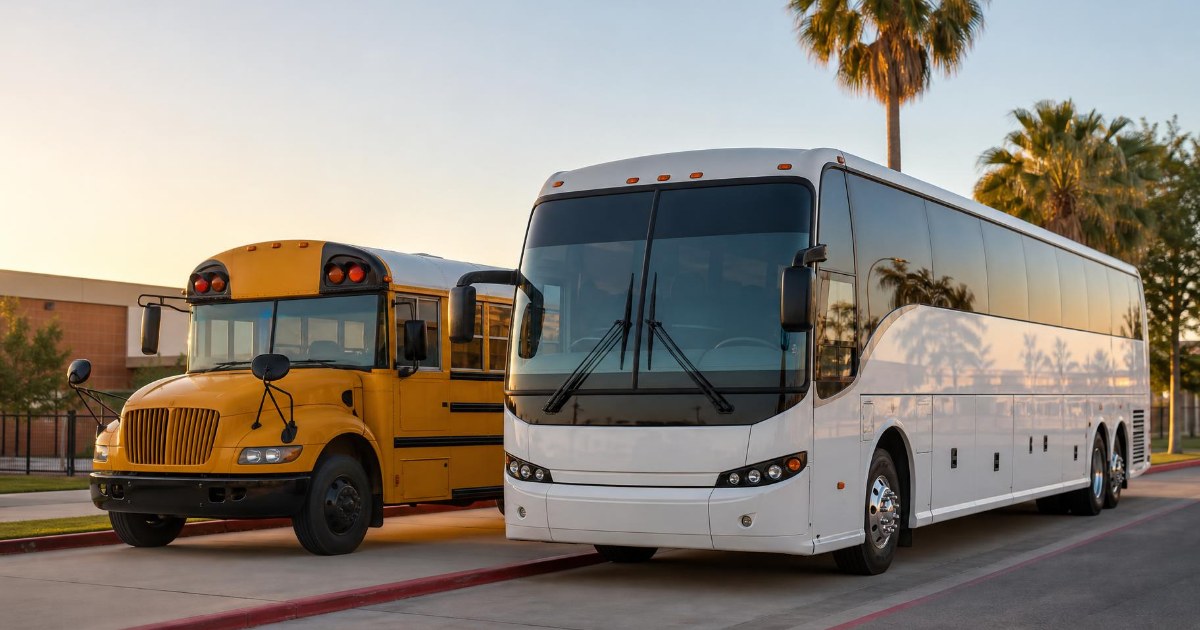
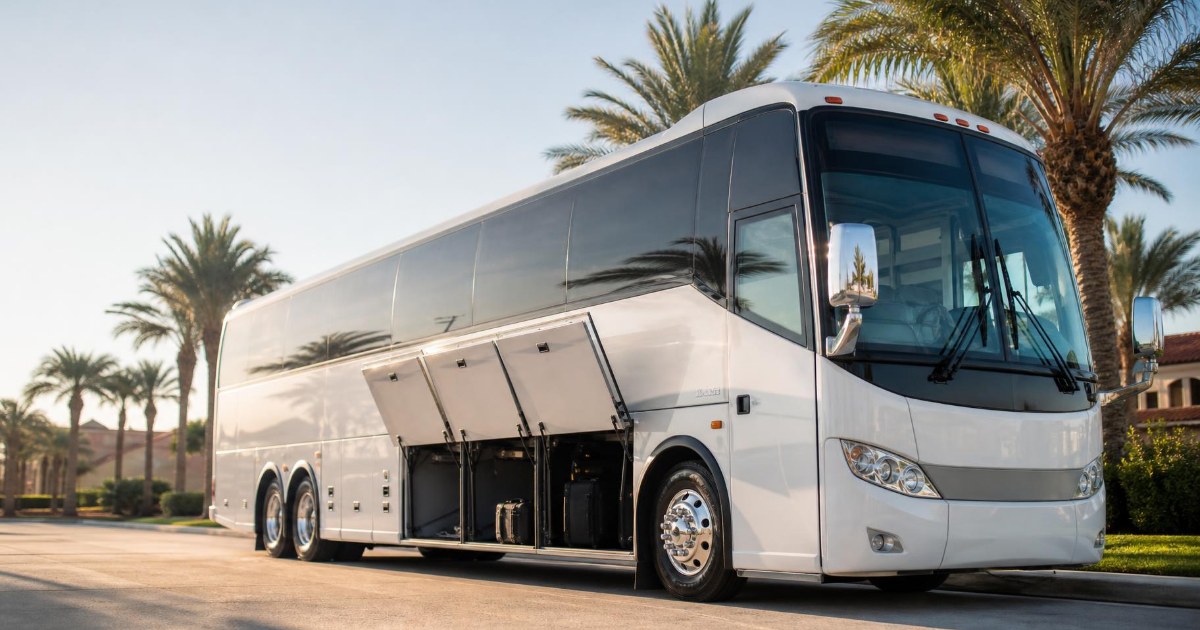
Distance Brothers lists family reunions and milestone celebrations among the private events it serves. Its fleet starts with a 14-passenger van for smaller groups and runs through a 34-passenger mini-coach for mid-size parties. For large groups and multi-day events, a 54/56 passenger motor coach with WiFi, restrooms and reclining seats carries the biggest crowds. The 44 passenger bus, built for long journeys with overhead storage and luggage space, also lists family reunions among its uses. The company serves local outings and long-distance trips across Texas and beyond, and the post on how many seats each vehicle holds helps match a headcount to a bus.
Ask a few questions before booking any bus company. Federal regulators urge travelers to look up the company by its USDOT number, check its safety rating, and confirm that it holds active passenger authority and insurance. Ask about wheelchair access, since charter companies must provide an accessible bus on 48 hours' notice. Ask how the driver's hours work on a long day, because a passenger-carrying driver may not drive more than 10 hours after eight hours off duty. Distance Brothers shares its federal authority and USDOT number on its About page.
Plan the Menu: Potluck, Catering or Both
Start by deciding what food means to your family. In some families the cooking is the reunion, and Grandma's enchiladas are the reason people drive 400 miles. In others, food is fuel for the gathering, and nobody wants to spend the day at a stove.
Two structures cover most reunions. For a one-day event, pair one anchor meal that someone else handles, such as barbecue from a caterer, with a potluck layer of sides and desserts. Across a weekend, mix it up: one catered meal, one potluck and one meal cooked by the host family. The variety keeps the workload fair and the menu interesting.
Set up the potluck sign-up by category so the table stays balanced. Sides, salads, desserts, drinks and ice each get a list, and relatives choose what fits their skills. Collect dietary restrictions with the RSVP so the committee knows about allergies, diabetes and vegetarian guests before the shopping starts. Check what the venue allows too: whether there is a kitchen, how many outlets are available and whether outside food is welcome.
Food safety matters most outdoors in the heat. Perishable food should never sit out for more than two hours, or more than one hour when the temperature is above 90°F. Keep hot dishes at 140°F or above and cold dishes at 40°F or below, because bacteria multiply quickly in between. Plan coolers, ice and water in generous quantity, and assign one person to rotate dishes in and out of the cooler during the meal.
Family Reunion Planning Ideas: Activities for Every Generation
The best family reunion planning ideas come in layers. Offer several activities at once so each age group can join in while staying in the same place. A grandfather can sit with the family tree while the teenagers play kickball nearby, and everyone still feels part of the day.
Low-key ideas suit the quieter moments. A family history table with a printed family tree draws a crowd. Grandkids can interview the elders on video and keep the recordings. A family recipe cookbook, collected before the reunion and printed for sale, makes a keepsake that pays for itself. Storytelling around a fire after dinner and a round of family trivia fill the evening.
Higher-energy ideas bring out the competitive streak. Kickball or softball, kids-versus-adults games, a family Olympics with a team for each branch and a talent show all give the younger relatives a stage. Tug-of-war, sack races and water balloon tosses fit a park lawn.
A yearly theme and a few traditions give people a reason to come back. An opening toast, a recurring trophy or a signature dish can carry from one reunion to the next. Set a fixed time for the group photo, early in the day when everyone looks fresh, and offer a keepsake such as matching t-shirts. If the reunion lasts a weekend, an optional group outing to a local attraction adds variety for those who want it.
Protect unstructured time as well. Relatives have not seen each other in a year, and some of the best moments happen between activities, over coffee on a porch. Keep the schedule loose and steer clear of topics that tend to start arguments, such as politics and old family disputes.
The Final Month: Confirm, Assign and Build the Agenda
Four weeks out, confirm the venue, lodging, caterer and transportation. Ask each vendor for a written confirmation with dates, times and prices, and share pickup times and addresses with the whole family. Follow up on missing RSVPs by phone, since a firm headcount shapes the food order, the seating and the vehicle size.
Give each helper a written job. Greeters hand out name tags at the door, a food lead manages the serving line, a photographer captures the day, and a clean-up crew stays through the end. Written jobs keep the work from piling onto the same two people.
Build the supplies list early: a first-aid kit, ice, chairs, tables, shade tents, trash bags, extension cords, name tags and a printed agenda. Share the address of the nearest hospital with the committee, and have a bad-weather plan ready, such as an indoor room or a tent.
A sample long-weekend agenda gives the plan shape. Friday brings arrivals and a welcome dinner. Saturday starts with breakfast, and the group photo follows early while the light is soft. The main activity block fills the morning, then free time carries through the heat of the afternoon. A family history session comes before dinner, and an evening event such as a talent show or a bonfire closes the night. Sunday begins with breakfast, a farewell circle and a date for the next reunion.
After the Reunion, and Getting the Family There Together
The reunion ends on Sunday, and the best follow-up starts on Monday. Share photos within the first week, while the memories are fresh. Thank the helpers by name, in the family channel and in a personal note. Send a short feedback survey that asks what worked, what to change and where to meet next time. Set a tentative date for the next reunion while the energy is high, because a date on the calendar keeps the tradition alive.
When the dates and headcount are set, you can get a quote for family reunion transportation from Distance Brothers and see what a shared ride costs per person. The Private Events page shows the vehicles and services built for gatherings like yours, and the Contact page is the place to bring questions about routes, pickup spots and accessibility needs. A coach that carries the whole family together turns the drive into part of the reunion.