Skip to content

A field trip chaperone is the extra set of eyes that lets a teacher run a day outside the classroom with confidence. If you are chaperoning a field trip for the first time, or you are a teacher getting your volunteers ready, this guide follows the whole day. It starts with getting cleared to volunteer, moves through packing, the bus ride and the destination, and ends with handing the last student back at drop-off. Each part says what to do and what to leave to the teacher. A section near the end speaks to teachers who brief their chaperones. Students have a better day when every adult on the trip knows the plan.
What Does a Field Trip Chaperone Do?
A field trip chaperone looks after a small group of students for the day. Your own child may be in that group or in another one, and every child on your list is yours to watch from the first head count to the last.
Field trip chaperone responsibilities come down to four jobs. You keep the group together and on schedule. You follow the trip plan the teacher sets. You enforce the rules the teacher and the venue give you. You model the behavior you want to see, which means walking, listening and speaking kindly to students, staff and strangers alike.
The teacher stays in charge of every student and every chaperone. Discipline decisions belong to the teacher, so when a child pushes against a rule, you handle the moment calmly and pass anything bigger up the chain. That setup protects you as much as it protects the students, because you always know who makes the final call.
Group sizes and chaperone ratios are set by districts and venues, so they change from trip to trip. One district sets a limit of 10 elementary students or 20 secondary students per chaperone, and a trip may assign smaller groups than that. A museum, a ranch or a state park may ask for even fewer children per adult. The teacher will tell you your number, and you can ask how it was chosen.
Before the Trip: Get Cleared, Learn the Plan, Meet Your Group
Start with approval, because it takes the longest. Many Texas districts require every chaperone to complete a volunteer application and a criminal history check before taking part in a school activity. Checks take several days and run longer in the late spring field trip season, so send in your application weeks before the trip.
Once you are cleared, sit down with the teacher and gather the details of the day. Ask for the itinerary, the meeting spots and the times, and pay special attention to the time the group heads home. Ask for the names of the students in your group and take a photo of that list on your phone so it travels with you. Ask for an emergency contact number you can reach from the venue.
Then ask about the children themselves. Every group has a few things worth knowing, such as medical conditions, allergies, behavior plans or anxiety around crowds, buses or new places. Knowing these before the day starts lets you plan your spot in the line and your words in the moment.
Ask about school rules too. Schools differ on medicine, sunscreen, snacks and spending money, and the teacher can tell you what your group may carry, apply or buy.
Last, dress for the venue. A zoo, a farm and a downtown museum each call for different layers, and all of them call for comfortable shoes, since you will be on your feet and walking most of the day.
What to Pack in Your Chaperone Bag
A light bag keeps your hands free for holding doors, pointing out exhibits and catching a wandering shoelace. Here is a short list that covers most trips:
- Group list and schedule, on paper or on your phone, so you can check names and times without hunting for the teacher.
- A charged phone and a portable charger, since your phone carries the contact number and the group photo.
- Water for yourself, because a chaperone who skips a drink gets tired and short-tempered by midafternoon.
- Tissues, wet wipes and hand sanitizer, which handle runny noses, sticky fingers and the walk to lunch.
- Adhesive bandages, if school policy allows you to carry them, for scrapes that need a quick cover.
- Snacks only if the teacher has approved them, since a shared treat can trigger a classmate's allergy.
- Some cash for your own admission or meals, so you never have to borrow from a student's lunch money.
- A small backpack or crossbody bag that leaves both hands free for the whole day.
On the Bus: Chaperoning the Ride There and Back
The ride is part of the field trip, and it is where many groups lose track of a child. Count heads before the bus leaves the curb and again before anyone gets off. Do the same on the way home, before the bus pulls away from the venue.
Sit with or near your group, and spread the adults through the bus so a chaperone is within reach of every row. Clustering at the front leaves the back rows to run themselves. Keep students seated with the aisle clear, and stop the ride from turning into a party by starting a quiet game or a simple question for the group. New motorcoaches built since November 2016 must have lap and shoulder belts at every passenger seat, so a quick check that everyone is buckled is part of the job on a coach.
Know where the restroom is on a coach that has one, and listen for announcements from the teacher. Before stepping off, check the seats and overhead bins for jackets, lunch bags and water bottles.
On the ride home, take the final head count and wait for the teacher's sign-off before students leave with their families.
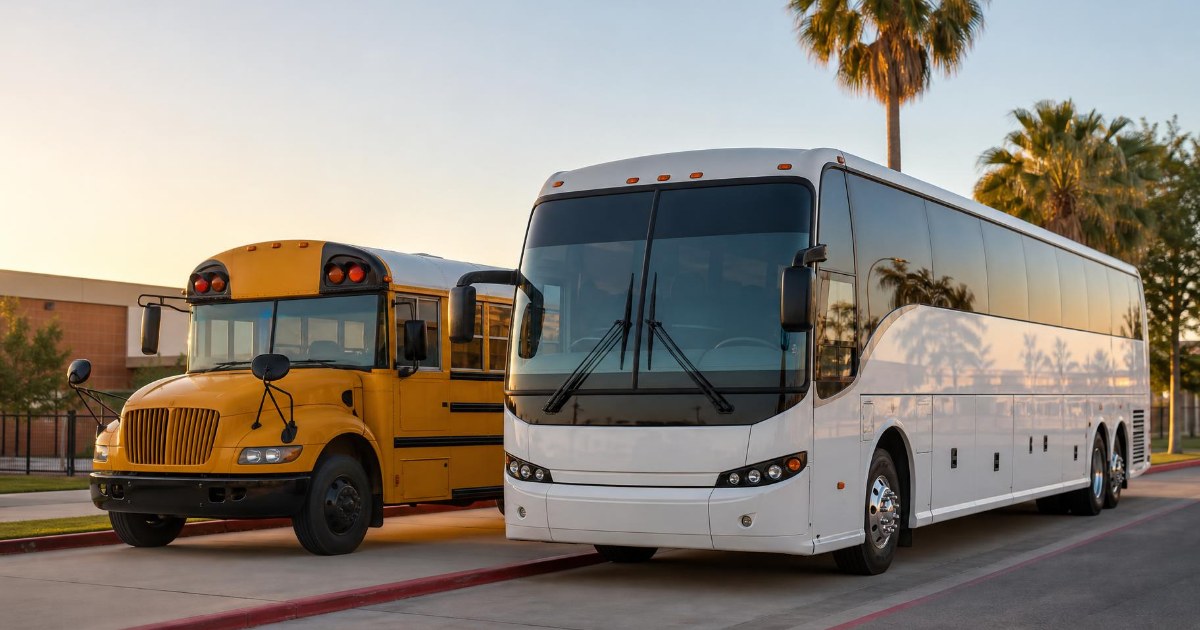
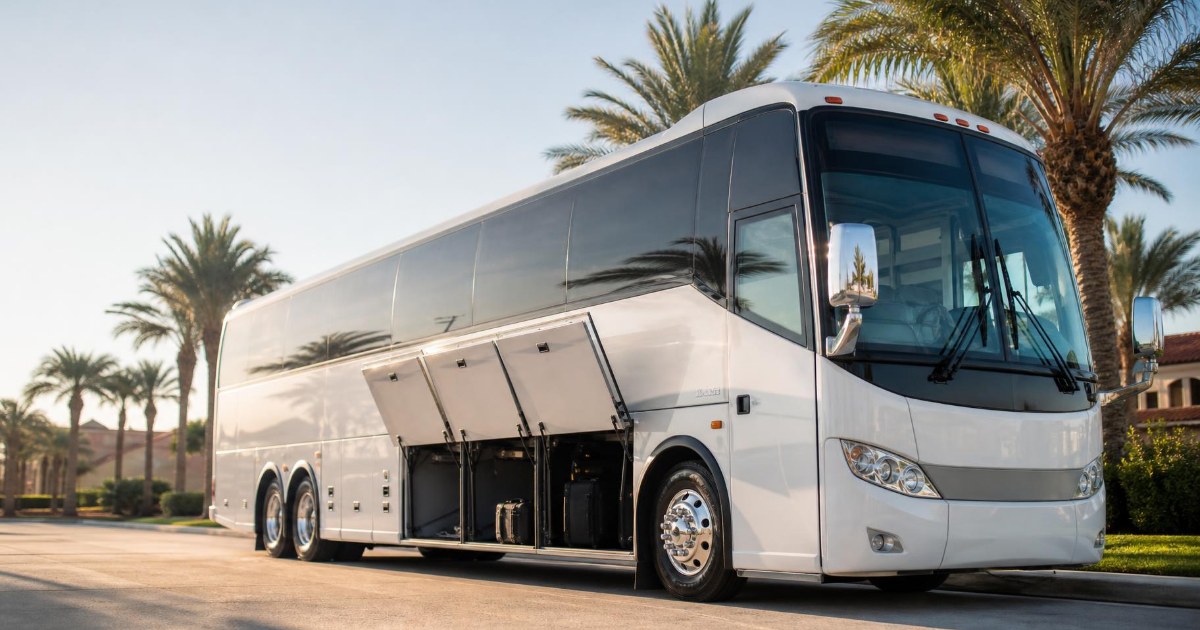
The bus itself shapes how easy this part feels. Distance Brothers runs charter buses for school trips that are climate-controlled, with reclining seats that keep students settled on longer routes. PA systems help teachers talk to the whole group at once, and the larger coaches carry restrooms, which means fewer roadside stops. Drivers are licensed, background-checked and experienced in student group transportation. Families curious about how a coach compares with a yellow bus can read how charter buses and school buses differ, and the details on what a charter bus restroom is like help you explain the ride to nervous kids.
At the Destination: Field Trip Chaperone Tips for Keeping Your Group Together
Good field trip chaperone tips begin with a few friendly rules at the start. Gather your group and say them out loud: stay together, walk, pick a buddy, know when snack and lunch happen, and follow the venue's rules such as quiet voices and no touching the exhibits. Children follow rules they have heard in the adult's own words.
Take a head count at every transition, whether the group is leaving a bus, entering a building, finishing a show or heading to lunch. When the group walks, keep an adult at the front, one in the middle and one at the back, so the line has no loose end. A quick group photo at the start helps if anyone gets separated, because staff can see what each child is wearing.
Offer bathroom breaks before they become emergencies. Tell the teacher before you take a child away from the group, and arrange the trip so you are never alone with one student. Another adult or a second child can go along, and the group can wait just outside the door.
Keep the group engaged. Ask open questions about what students see, such as what they notice or what surprised them. Draw in the quieter kids by asking for their opinion, and let the guide finish before you add your own comments.
Be firm on the big things. Running off and horseplay end right away. Let small things slide, like a giggle in line or a shoelace drama. When a child needs correcting, do it privately with a quiet word so the rest of the group does not watch.
Keep your own phone for trip use, such as the contact number, the list and the schedule.
If a Child Gets Lost, Hurt or Sick
Stay calm and keep the rest of your group with you. Children read your face, and a steady voice keeps the whole group steady. Tell the teacher right away by the contact method you agreed on before the trip. For a missing child, bring in venue staff as well, since they know the building and can close doors and watch exits.
Learn where first aid is at the venue and who on the trip is first-aid trained. Leave medicine to school staff and to each student's care plan, because many schools do not allow chaperones to give any child medication.
Know which students in your group have allergies or asthma before the day starts. An estimated 1 in 13 children has a food allergy, which works out to about two students in a typical classroom, and about 6.3% of U.S. children under 18 have asthma. A small group of students is likely to include at least one of these, and you want to know who it is, what the plan says and which adult carries the medicine.
Anything serious goes to the teacher as soon as it happens, even after it has been handled. A scraped knee, a bump on the head, a child who felt dizzy on the bus: the teacher decides what to write down and which parent to call.
Chaperone Etiquette: What Not to Do
Most chaperone mistakes are easy to avoid once you see them listed. The biggest one is canceling the morning of the trip or not showing up, because the teacher has built the groups around you. If something changes, tell the teacher as early as you can so a backup can step in.
Bring only the people on the approved list. Siblings stay home unless the school has approved them in writing. Stay with your group at all times, even for a minute, since a short phone call or a coffee run is long enough for a child to wander.
Treat every child in your group the same way. Buying treats or souvenirs for some students and not others leaves the rest feeling left out. Hovering over your own child or giving them special treatment has the same effect, and your child will enjoy the day more when you act like any other adult in the group.
Photos need care. Post nothing of students on your personal social media, and skip photos of any student who has a photo restriction, which the teacher can tell you about.
Save conversations about your child's progress for a parent-teacher conference. The teacher's attention belongs to the whole group during the trip. Smoking and vaping are off the table on any school trip, at every stop along the way.
For Teachers: How to Prepare Your Chaperones
A prepared chaperone makes your day lighter, so give each one a written list of duties and a short briefing before the trip. Walk through the likely situations, such as a lost student, a medical issue and a behavior problem, so each volunteer has heard your answer before the moment arrives.
Assign groups ahead of time and share a contact list with check-in times. Give each chaperone the student information they need, such as names, allergies and care plans, and share it within your school's privacy rules.
Plan for at least two adults on every trip, with at least one school employee among them, and line up a backup chaperone in case someone cancels. Long-distance, overnight and physically demanding trips call for more adults, and so do trips that include students who need extra support.
Set photo and social media rules in writing, and give each volunteer the same copy.
Put the transportation details in the chaperone packet: departure and return times, the pickup point and bus assignments. Check the bus company before you book. The federal travel planner tool asks you to look up the company by USDOT number, review its safety rating, confirm it holds active authority to carry passengers and confirm that insurance is on file. Distance Brothers lists its USDOT number on its About page, and the guide to questions to ask before you book a charter bus company gives you a full list for any operator.
On long trips, keep driver hours in mind when you build the schedule. Federal rules bar a passenger-carrying driver from driving more than 10 hours after 8 consecutive hours off duty, or from driving at all after 15 hours on duty, so a late return from far away needs a plan that fits those limits.
Hand Off the Ride and Enjoy the Day
A prepared chaperone makes the day safer and easier for the teacher and more memorable for the students. Transportation is one part of the day teachers can hand to someone else. The School Trips page shows how Distance Brothers serves trips that range from local outings to journeys across Texas, and teachers ready to plan a ride can send their dates, headcount and itinerary through the Contact page to request a quote.